
2026 Global Transport Policy Multimodal Roundtable: Experts Advocate Integrated, Sustainable Transport System for Nigeria
By Aderonke Fakeye
Leading logistics experts, policymakers, academics, industry leaders, government representatives, global partners, and other stakeholders have called for the development of an efficient, integrated, and sustainable transport system capable of transforming Nigeria’s economy and enhancing supply chain performance.
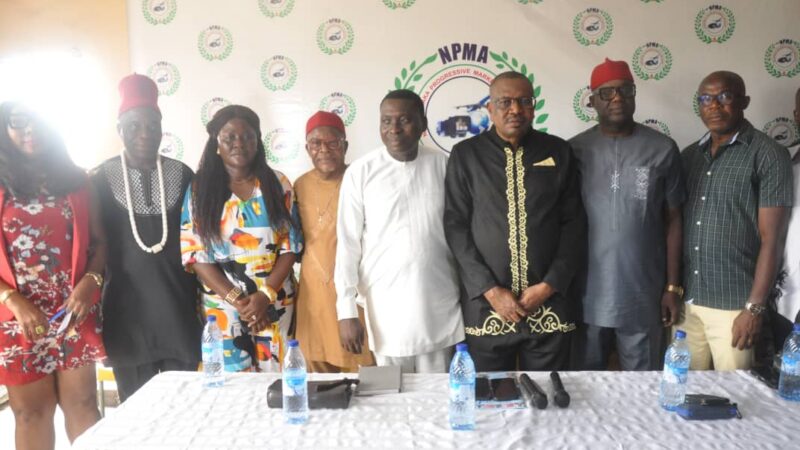
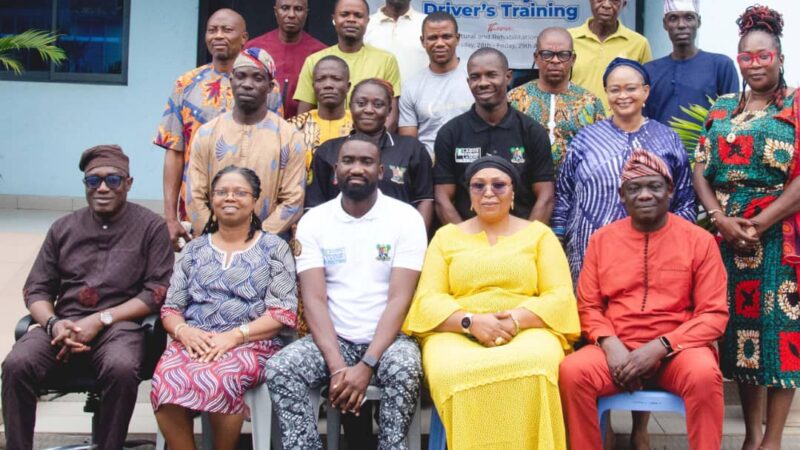
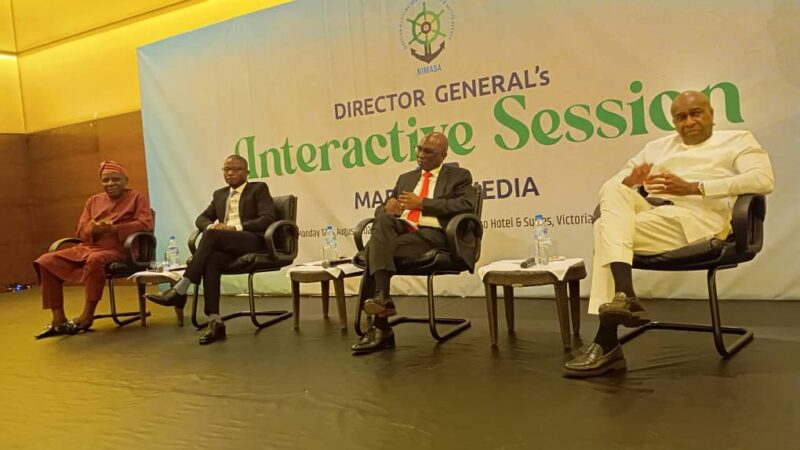
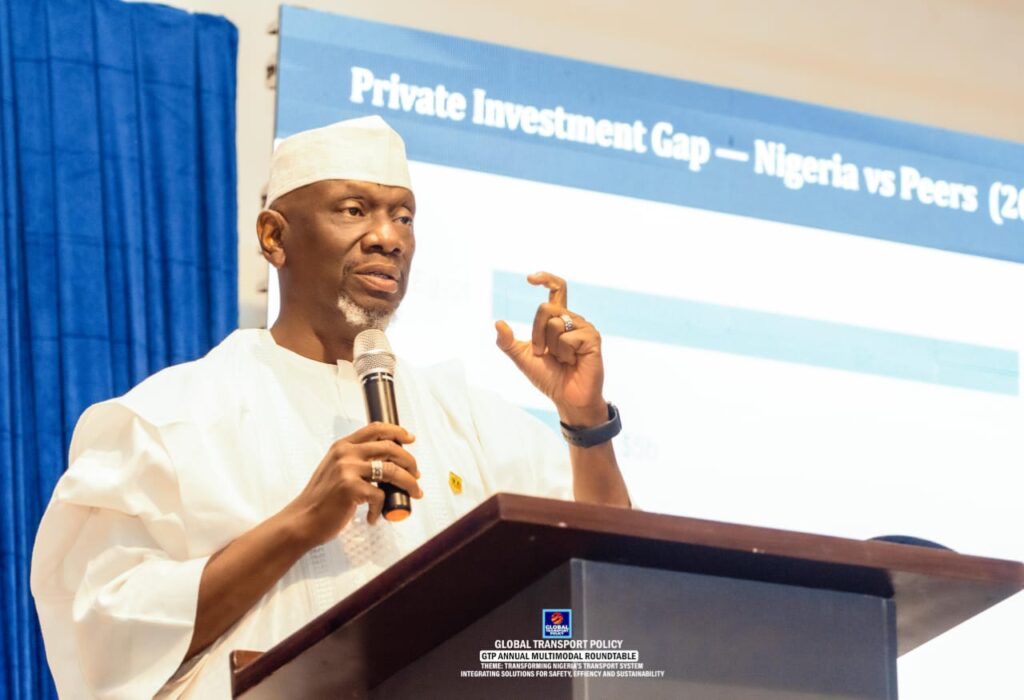
The call was made at the 2026 Global Transport Policy Annual Multimodal Roundtable, held at the Marriott Hotel, Ikeja, Lagos, on June 17, 2026. The event, themed “Transforming Nigeria’s Transport System: Integrating Solutions for Safety, Efficiency and Sustainability,” brought together experts from across the transport and logistics value chain to deliberate on strategies for strengthening Nigeria’s multimodal transport architecture.
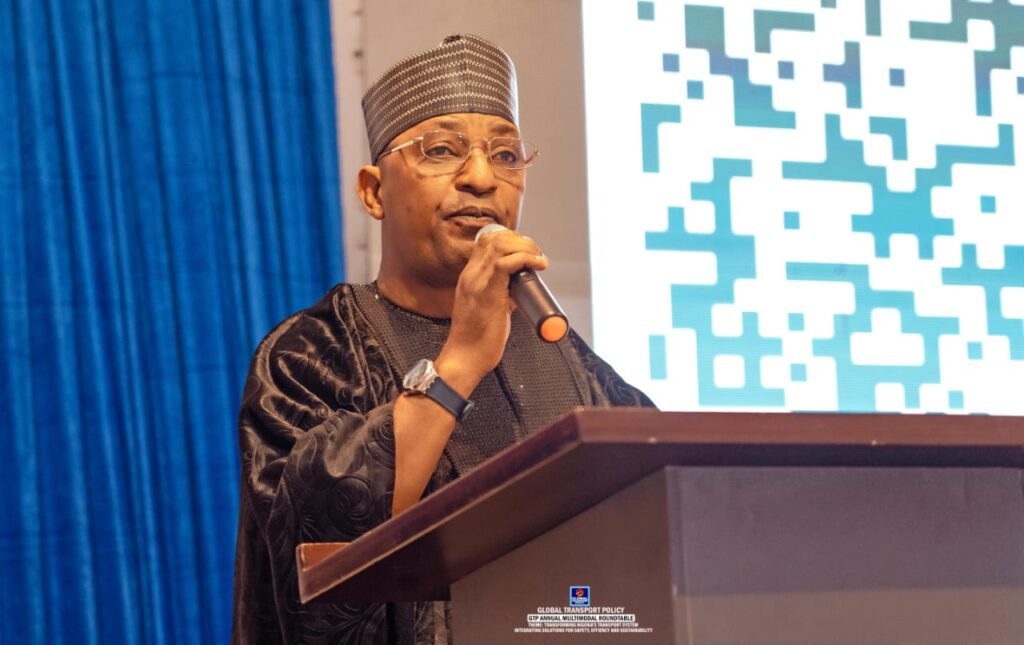
Participants shared experiences and exchanged ideas aimed at promoting effective logistics systems across all modes of transportation, with emphasis on infrastructure development, digitalization, intermodal integration, and policy frameworks that will ensure efficiency and sustainability.
Although Lagos State Governor, Mr. Babajide Sanwo-Olu, who was billed as the chief host, was absent, several prominent stakeholders, including Prof. Iyiola Oni, Director of the Centre for Multimodal Transport Studies, University of Lagos; Dr. Kayode Opeifa, the keynote speaker; former Corps Marshal of the Federal Road Safety Corps, Dr. Boboye Oyeyemi; and Air Commodore (Rtd.) Ademola Onitiju, among others, stressed the need for a professionalized transport workforce.
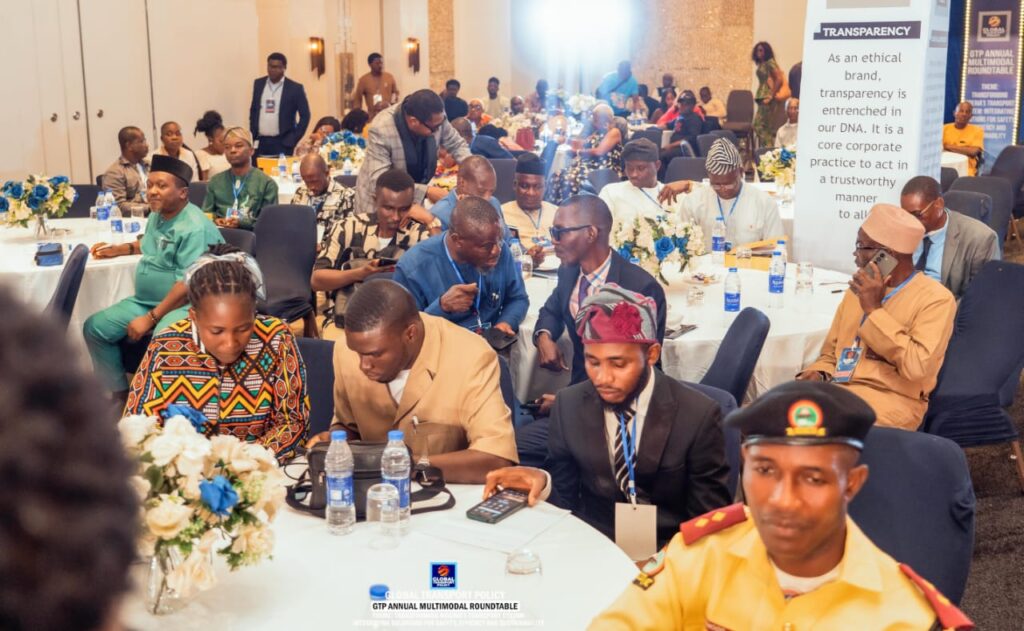
They advocated policies that would create opportunities for internships and practical training to groom future transport professionals.
According to them, transport practitioners should undergo professional certification and continuous training to meet global standards.
The experts agreed that all modes of transportation must function efficiently to facilitate the seamless movement of goods and services, adding that regular workshops and capacity-building programmes should be organized for transport and logistics managers to enhance professionalism within the sector.

They maintained that Nigeria could achieve significant progress if professionals across the transport industry collaborate effectively, noting that the implementation of a comprehensive national transport policy would accelerate infrastructure development.
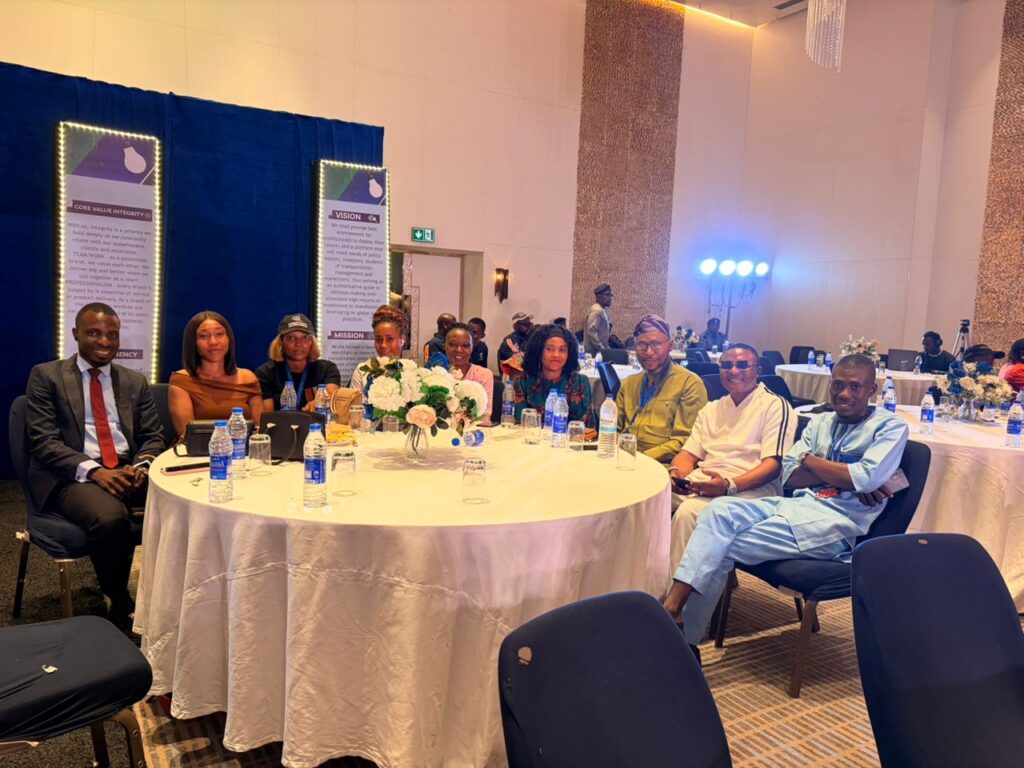
Among the challenges identified were the fragmented management of transport subsectors and the lack of synergy among professionals and agencies responsible for logistics and transportation.
Speaking on the rationale behind the annual conference, the Convener and Group Managing Director/Chief Executive Officer of Widescope International Group—a conglomerate with interests in logistics, maritime, media, construction, travel and tourism, and aviation—said the roundtable was designed to address the barriers hindering the full implementation of an effective multimodal transport system in Nigeria.
According to him, inadequate policy direction, weak political will, and the appointment of non-professionals to head transport agencies have continued to impede progress in the sector.

“In an effective multimodal transport architecture, technocrats and experts should be empowered to provide solutions without the need to set up committees,” he stated.
Drawing from historical examples dating from the 1960s to the mid-1990s, he recalled that agricultural produce and cargo were transported seamlessly by rail from the hinterland to urban centres, where traders and distributors purchased and moved commodities to markets and homes.
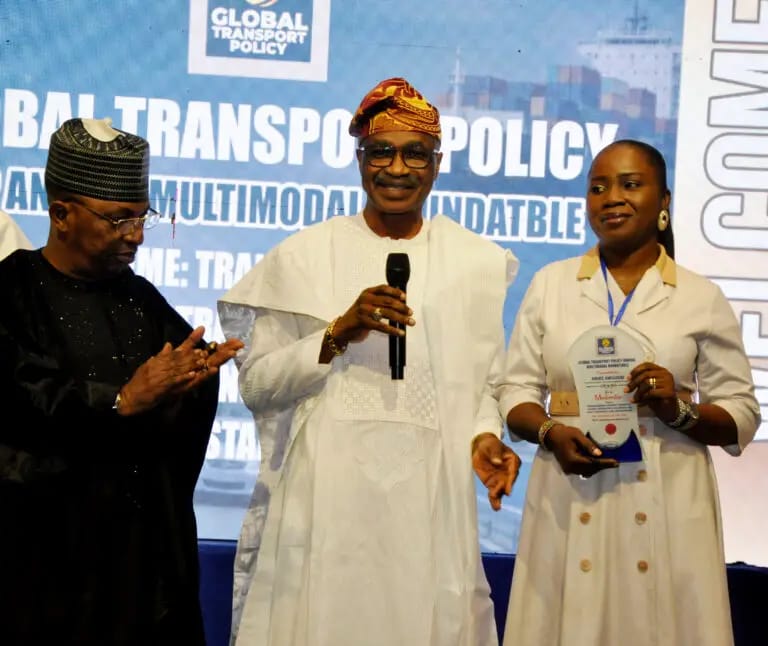
“If we position transport effectively, it will undoubtedly enhance our supply chain and stimulate economic growth,” he said.
He further argued that the country’s ineffective transport network has discouraged investment in agriculture, noting that farmers would be more encouraged to return to farming if efficient transportation systems were available.
“If we are to rely more on locally produced food, then we must have an effective transportation system that will support farmers and facilitate the movement of produce. Production has reduced significantly in Nigeria, and only an efficient transport system can strengthen the supply chain and distribution network,” he said.
He also urged policymakers to examine the underlying causes of inflation and the challenges affecting consumers’ purchasing power.
“Until we get transportation right, we may not get any other sector right,” he concluded.
The roundtable featured robust discussions and extensive contributions from participants, underscoring the need for collaboration among stakeholders in building a modern, integrated, and sustainable transport system capable of driving national development.